Topic 04 · Home integration
Make Art Part of Home
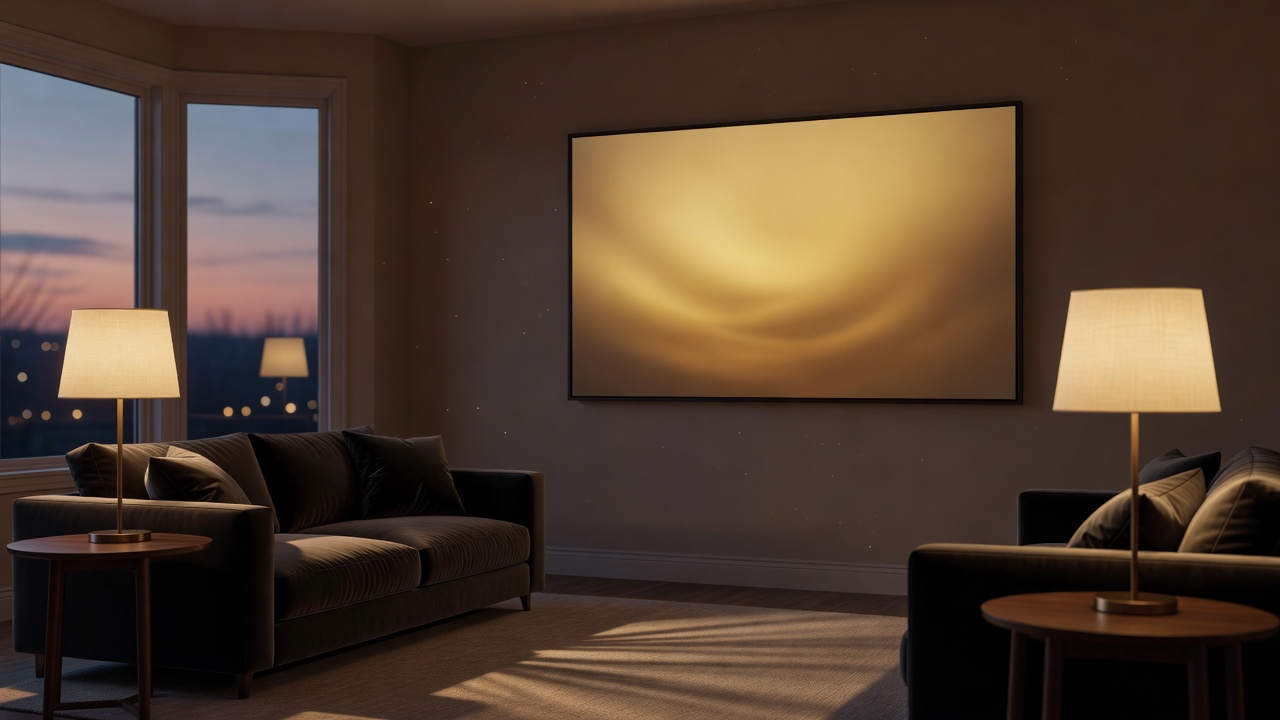
The best smart display is the one nobody in the house has to think about. It wakes softly, dims with the evening, sleeps when the room is empty and never asks for attention it has not earned.
Automation
Schedules that follow the day
Most art displays include basic timers, but a frame that follows daylight rather than the clock feels more natural. Sunrise and sunset times shift by hours across the year in northern Europe, so a fixed 19:00 dimming rule will be wrong for half of it. Smart-home platforms such as Home Assistant, Apple Home or Google Home can tie brightness to sun position, to an ambient light sensor or to the scene you set for the lamps.
Presence sensing is the second quiet win. A simple motion or millimetre-wave sensor can put the display to sleep twenty minutes after the room empties and wake it when someone walks in. Choose sensors without cameras; you need to know that a room is occupied, not who is in it.
Specification rows
What to look for in a connected frame
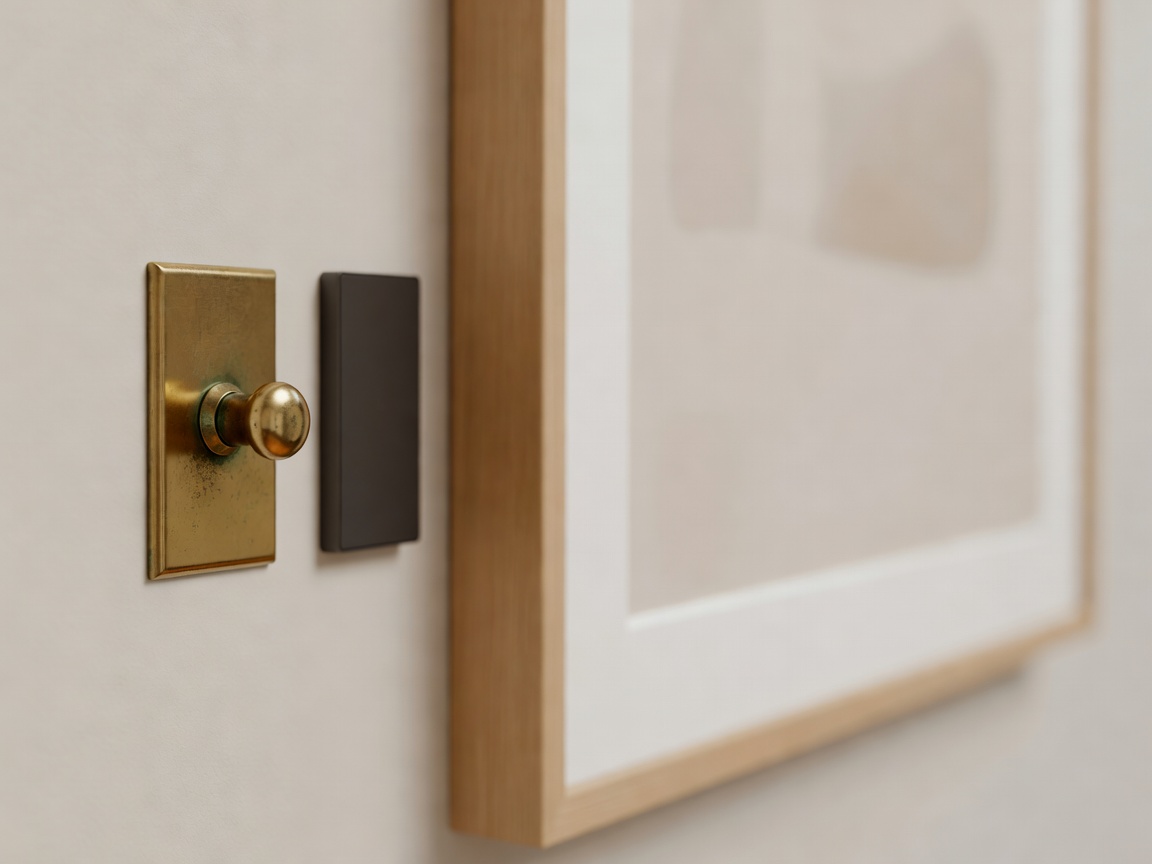
- Local controlA local network API or support for the Matter standard lets automations run even if the maker's cloud is unavailable.
- No microphone, no cameraAn art display rarely needs either. If one is present, check for a hardware switch.
- Ambient light sensorBuilt-in sensing keeps brightness matched to the room between scheduled scenes.
- Real standbyCheck standby power on the energy label or specification sheet; a deep sleep mode beats a dimmed but awake panel.
- Separate networkPlacing displays on a guest or IoT network limits what they can see on your main devices.
Visual rest
The beauty of a blank wall
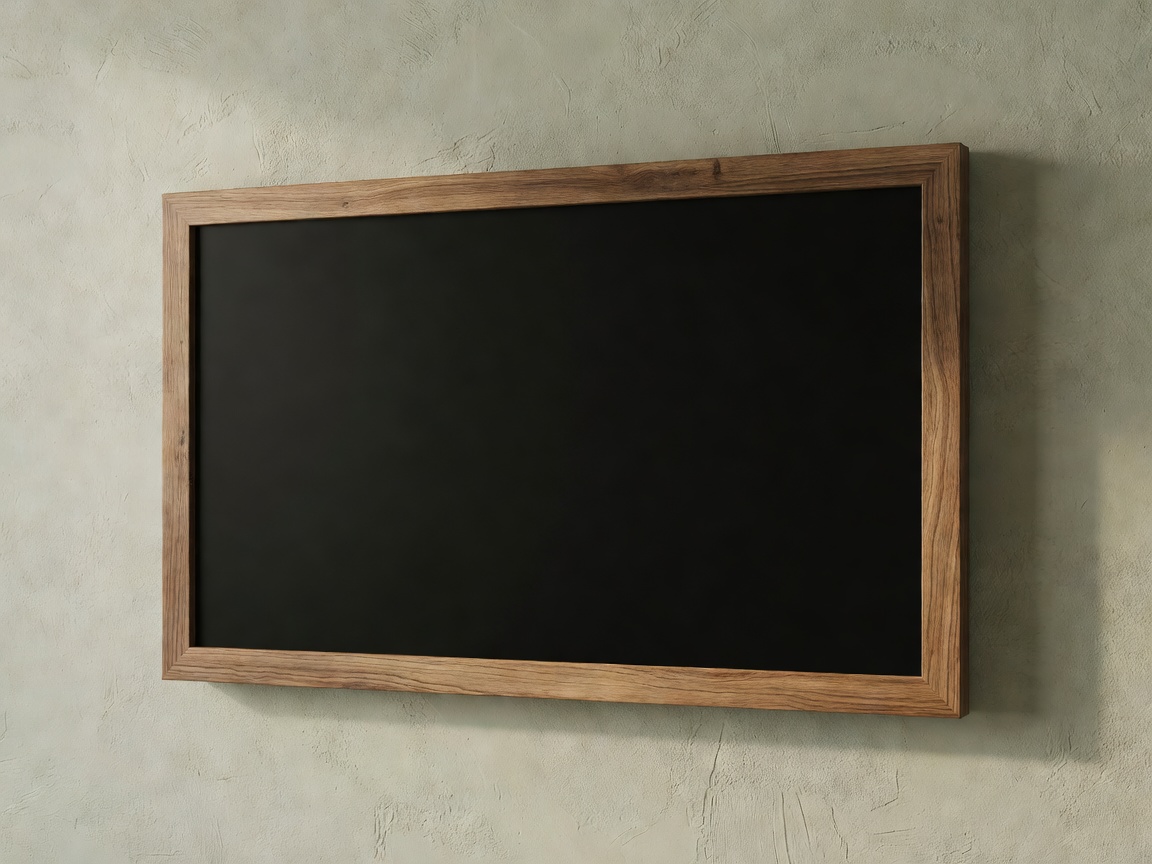
Dieter Rams argued that good design is as little design as possible. A display does not have to be on to be worthwhile. An evening when the frame sleeps and only the bezel remains — a quiet rectangle of oak against plaster — gives the eye somewhere to land. Many households find that a screen used for fewer hours is enjoyed more.
Bedrooms deserve particular care. Light from screens late at night can affect how easily people fall asleep, so let bedroom displays switch off entirely at bedtime, or use a colour e-paper panel that emits no light of its own.
Children and guests change the picture too. A physical sleep button within reach means nobody needs an app or a password to darken the room.
Trade-offs
Ways to control the display
| Method | Comfort | Privacy | Effort |
|---|---|---|---|
| Built-in timer | Basic, fixed times | High, works offline | Minutes to set up |
| Maker's app and cloud | Good, remote changes | Depends on the company's policy | Low |
| Hub with local control (e.g. Home Assistant) | Excellent, follows sun and presence | High when kept local | An afternoon of tinkering |
| Smart plug on a schedule | Blunt, full on or off | Varies by plug | Low, but hard shutdowns may not suit every display |
Interiors
Art first, technology second
Nam June Paik made television sets into sculpture in the 1960s; today the challenge runs the other way, turning screens back into quiet objects. Treat the display as one element in a room's palette. Repeat its bezel timber elsewhere — a shelf, a picture rail — and let lamp temperature and image warmth agree. When an image clashes with the room, the room should win.
Still choosing a frame? Start with Find the Right Display, or send us a description of your wall through Talk Gallery.