Topic 03 · Gallery rotation
Sequence Your Collection
A rotating gallery is closer to programming a small exhibition than running a slideshow. It begins with a tidy archive and ends with a rhythm slow enough that each image has time to be seen.
Personal media organisation
From archive to "ready to hang"
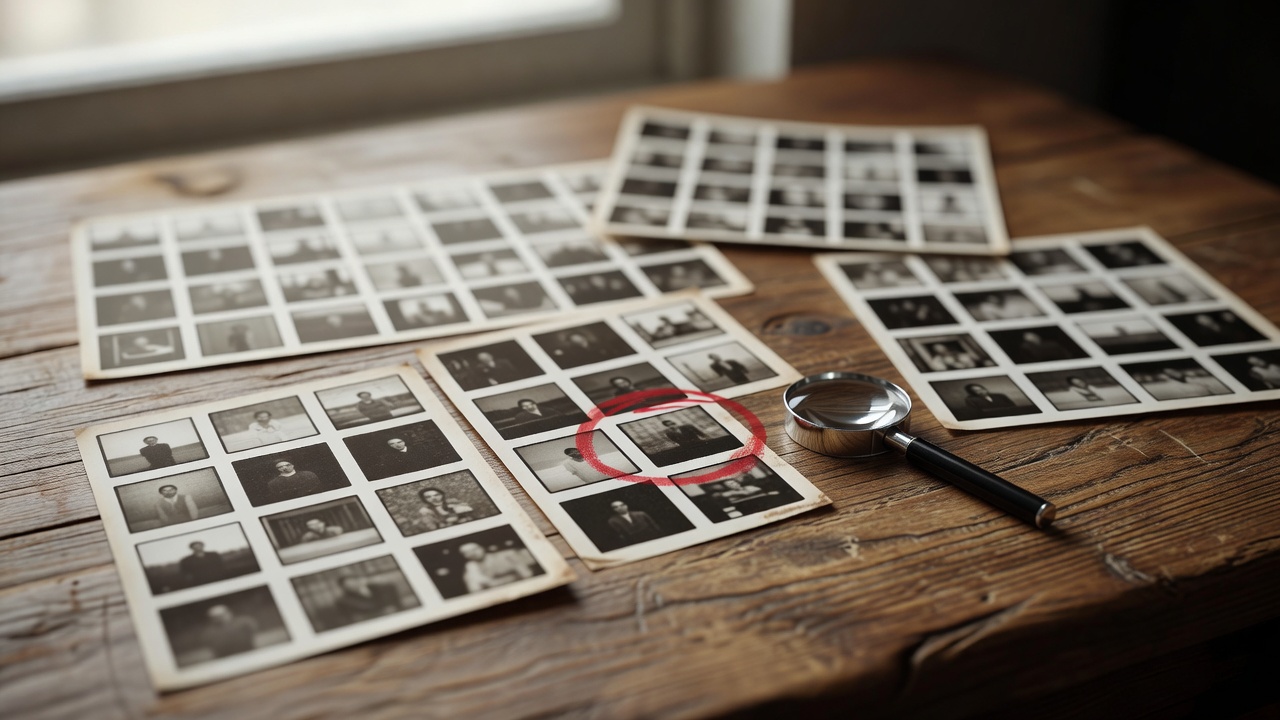
Most of us hold tens of thousands of photographs, and almost none of them are meant for a wall. Pointing a frame at an entire phone library guarantees screenshots, receipts and blurred pockets appearing above the sofa. Instead, keep two distinct places: the archive, which holds everything, and a small display folder, which holds only what has been chosen.
- Folder per hangName folders by theme and season, for example 2026-spring-landscapes, so rotations can be swapped as a set.
- Prepared filesExport at the display's native resolution and aspect ratio, in sRGB, so the frame never crops unexpectedly.
- MetadataEXIF records the camera and date; IPTC and XMP fields hold title, creator and copyright, which many frames can show as a caption.
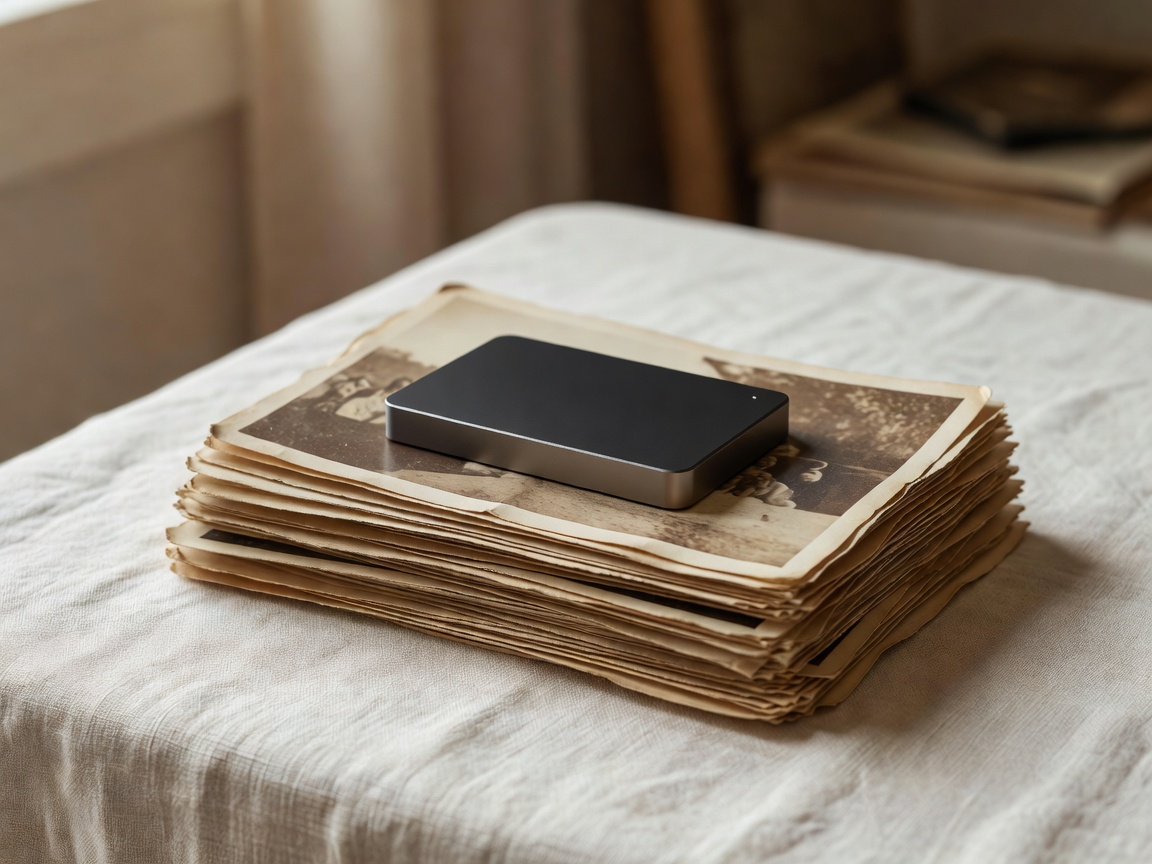
- BackupsFollow the 3-2-1 rule: three copies, on two kinds of storage, one kept away from home.
Beyond your own camera
Borrowing from open collections
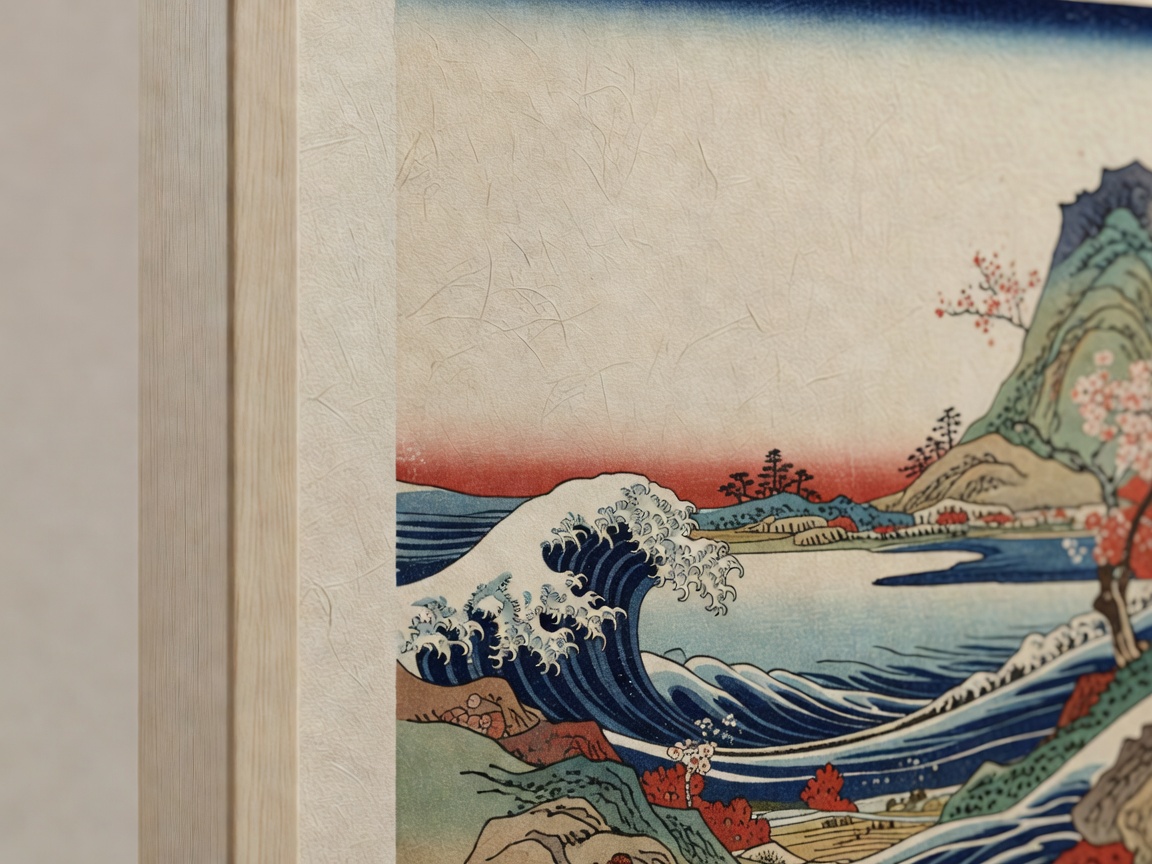
Several museums publish high-resolution images of public-domain works for anyone to use. The Metropolitan Museum of Art's Open Access programme, the Rijksmuseum's Rijksstudio and the Art Institute of Chicago's public-domain collection all offer works that look remarkable on a matte panel — Dutch still lifes, Japanese woodblock prints, botanical plates.
Always check the licence on each individual image. Public-domain status applies to specific works, not to entire collections, and contemporary art almost always remains under copyright. If you love a living artist's work, buy an edition licensed for screens or commission something directly.
Cadence
How often should the wall change?
Slower than you think. Many frames default to a new image every few minutes, which turns a wall into a feed. In a living room, an interval of several hours — or a single change each morning — lets an image become part of the room before it leaves. Fast intervals belong to parties and family gatherings, not to ordinary days.
Transitions matter too. A slow cross-fade of a few seconds is gentler than a hard cut, and far gentler than sliding or zooming effects. The musician Brian Eno's generative work 77 Million Paintings made change almost imperceptible; that sense of drift is worth borrowing.
| Room | Suggested interval | Why |
|---|---|---|
| Living room | Once daily, or morning and evening | Long sitting time; images need room to settle |
| Kitchen or dining | Every 2 to 4 hours | Shorter visits; gentle variety at mealtimes |
| Hallway | Every 30 to 60 minutes | Glanced at in passing |
| Bedroom | Fixed image, or sleep at night | Visual rest matters more than variety |
Numbered rotation examples
Five rotations worth trying
- The colour thread. Seven works sharing a single tone — ochre, sage, terracotta — one per day for a week.
- Morning light, evening dark. A bright landscape from 7:00 to 14:00, a low-key interior or nocturne after sunset.
- The family archive week. One decade of scanned family prints per week, with captions showing year and place.
- The seasonal hang. Twelve images per season, each held for a full week, then retired to the archive.
- The single-artist month. Thirty days of one photographer or printmaker, shown in chronological order.
To automate rotations around daylight and presence, see Make Art Part of Home.